
Inspiring millions to understand
our shared human past
Our mission is to engage people with cultural heritage and to improve history education worldwide.
-
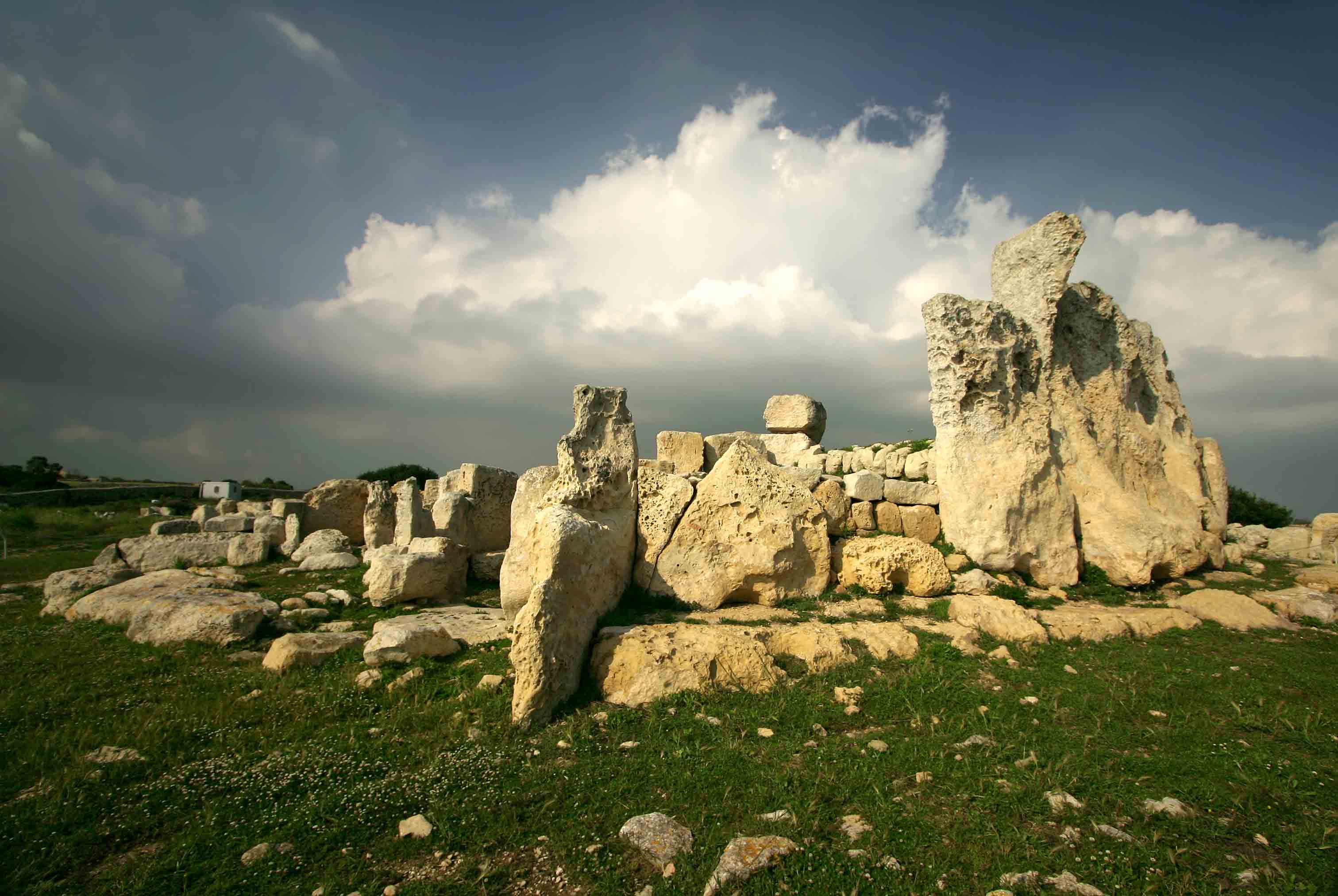
Malta: Islands of Giants
Today we have another contribution from Timeless Travels Magazine. On a recent visit to Malta’s prehistoric temples, Garry Shaw endeavours to enter the minds of Malta’s temple builders, once thought to be a race of giants by the local inhabitants.
-
Ancient History Resources
Are you looking for some ancient history information and Google is not being specific enough to satisfy you? The following are some online resources I have found useful for my own research over the years. My interests lie mostly in the Roman world and these resources reflect that. However, as an advocate of life-long learning,…
-
Cuneiform and the Amarna Letters
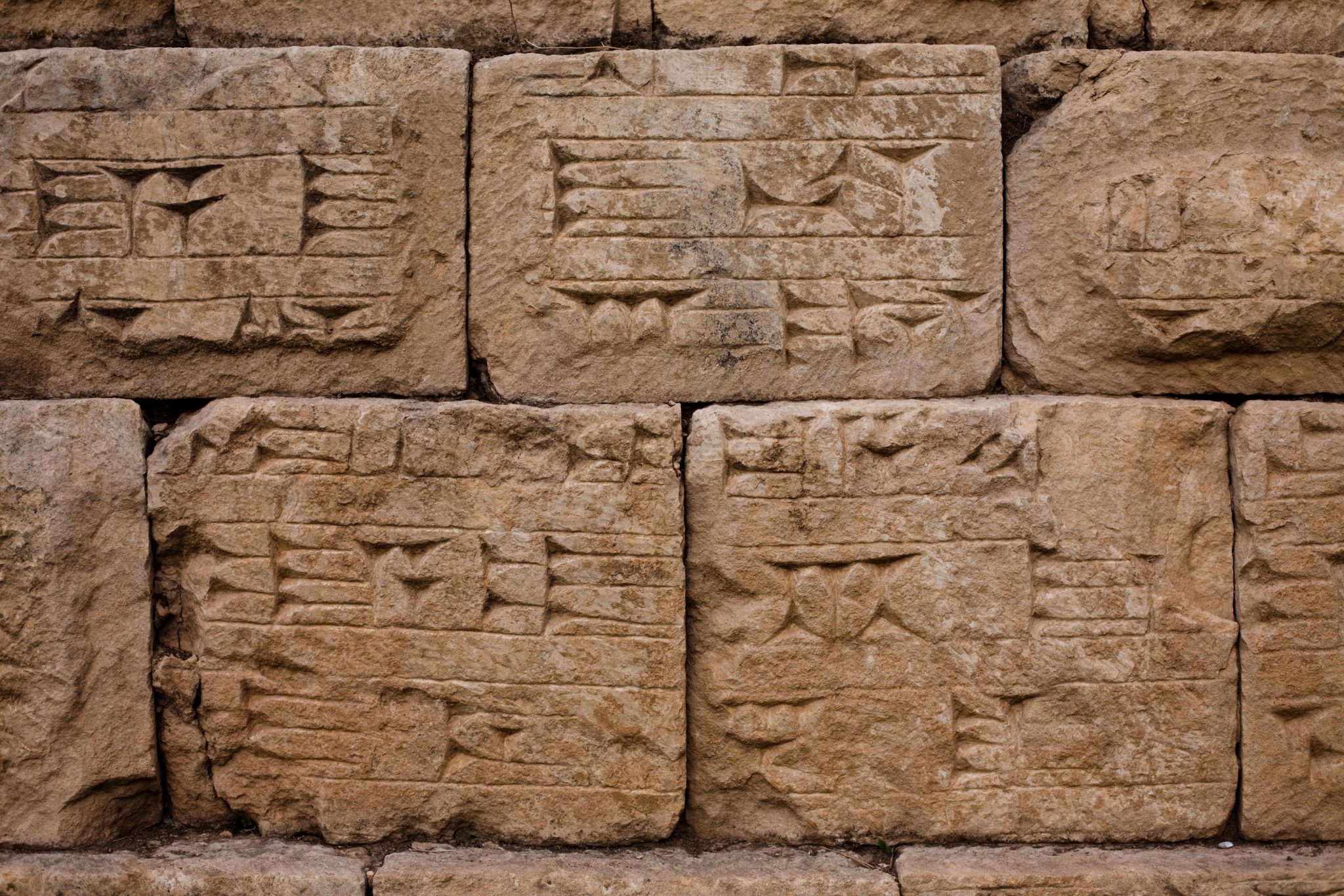
Cuneiform is considered the single most significant legacy of the ancient Sumerians of Mesopotamia. It was developed c. 3500-3000 BCE, is considered the first written language created, and was used for well over 1000 years. The oldest-dated cuneiform tablets mostly contain records of business transactions. However, over the centuries, cuneiform tables covered various different topics such…
-
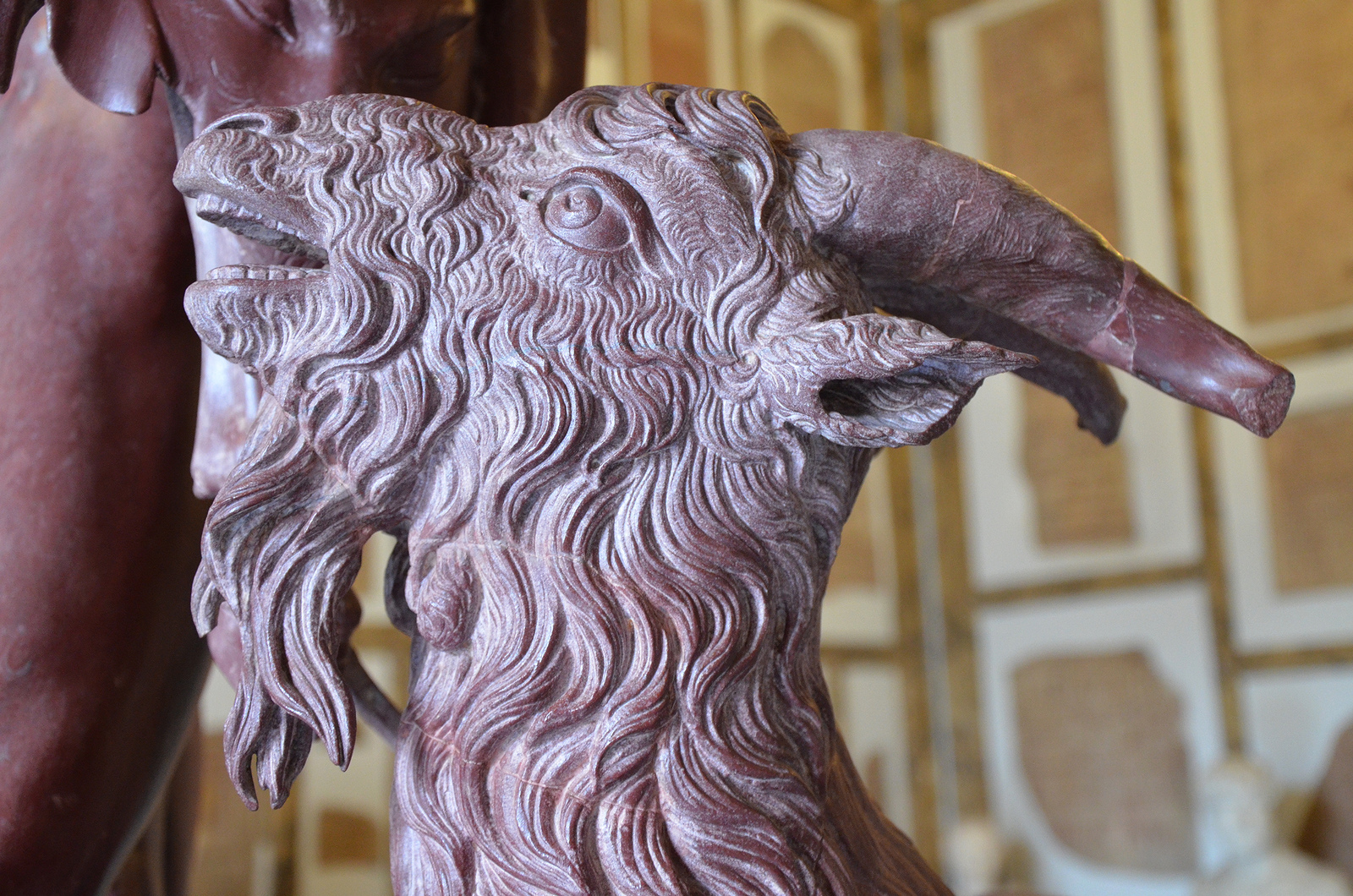
Art and sculptures from Hadrian’s Villa: Statue of a satyr in red marble
This week’s sculpture from Hadrian’s Villa is a red-marble statue of a satyr, the so-called “Fauno rosso” (red faun).
-
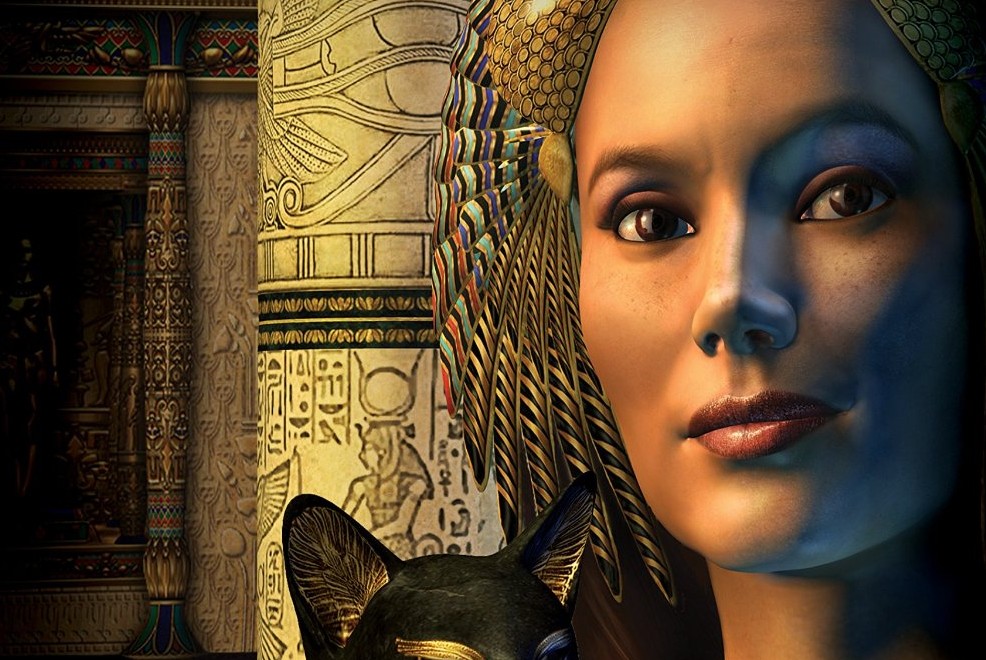
Novelist Dr Roger Kenworthy on the ‘Memoirs of Nathanial Kenworthy’
Jade Koekoe, Blog Editor of Ancient History Encyclopedia (AHE), recently spoke with novelist Dr. Roger Kenworthy, to discuss his series Memoirs of Nathanial Kenworthy. Roger writes historical fiction covering topics such as ancient history, adventure, reincarnation, time travel that is based on a variety of ancient cultures.
-
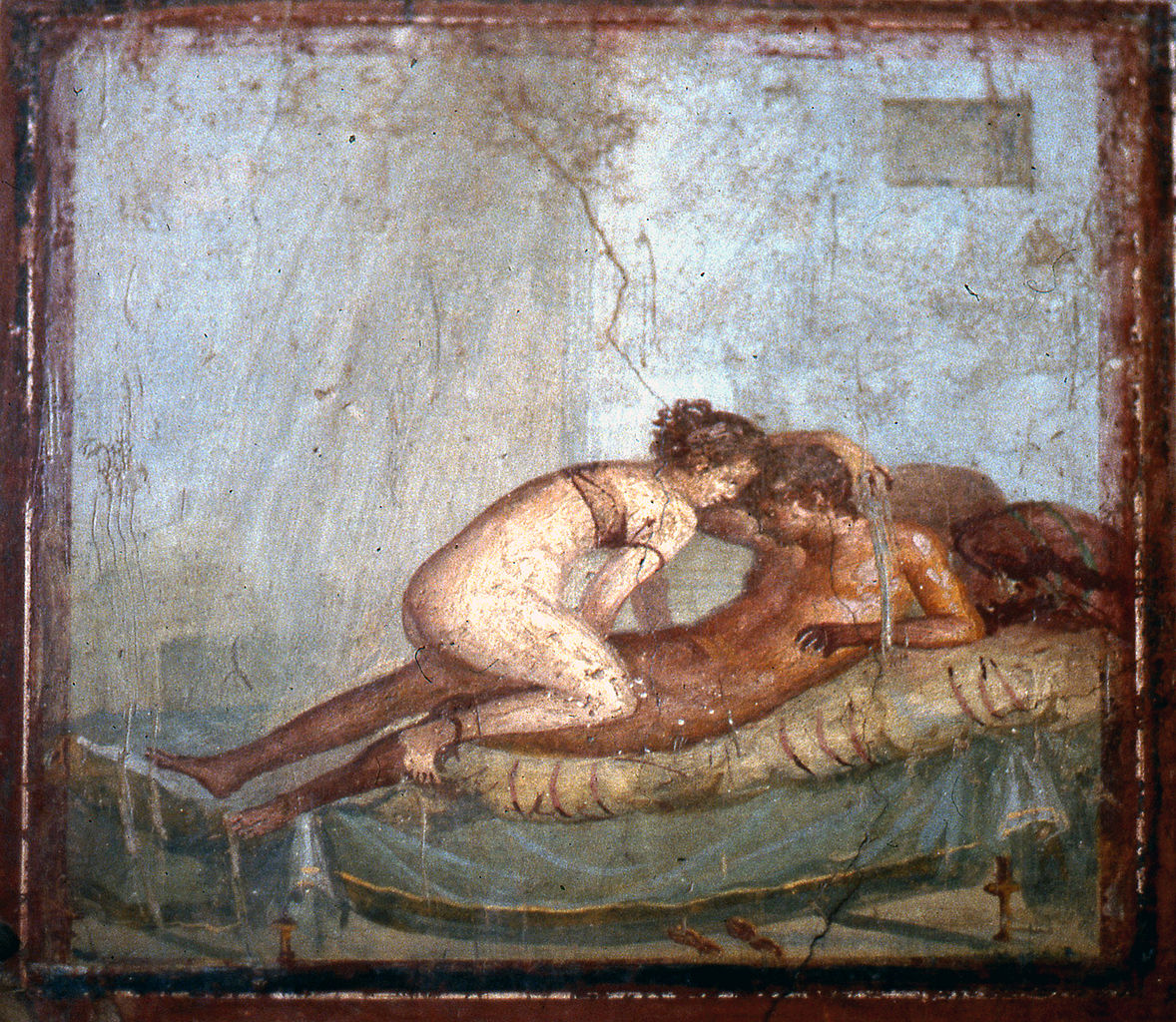
Erotic Images from Ancient Times
Ancient art and archaeological remains have provided archaeologists and historians today with clues to how the ancients practiced their sexuality and their overall attitude toward sex. To the causal observer, it seems the ancients were more open about their sexuality then we are today. In ancient Rome there were artworks in living rooms or studies…
-
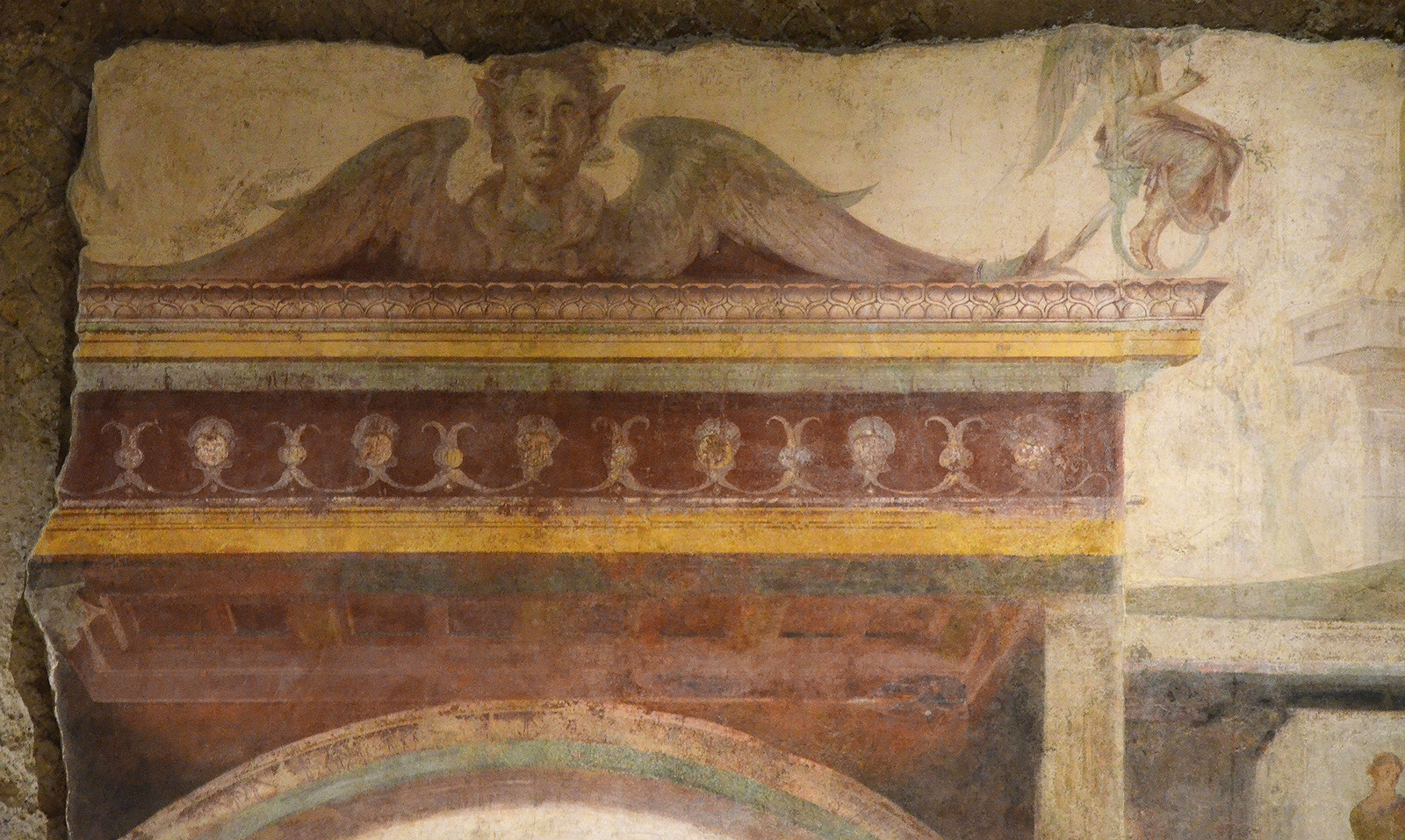
When in Rome: Visiting the House of Livia on the Palatine Hill
I wrote about the series of special events that took place in Rome, in celebration of the 2000th anniversary of Emperor Augustus’ death. My last post focused on the ‘House of Augustus’ (see here) and today I will concentrate on the ‘House of Livia’ in this follow-up piece.
-
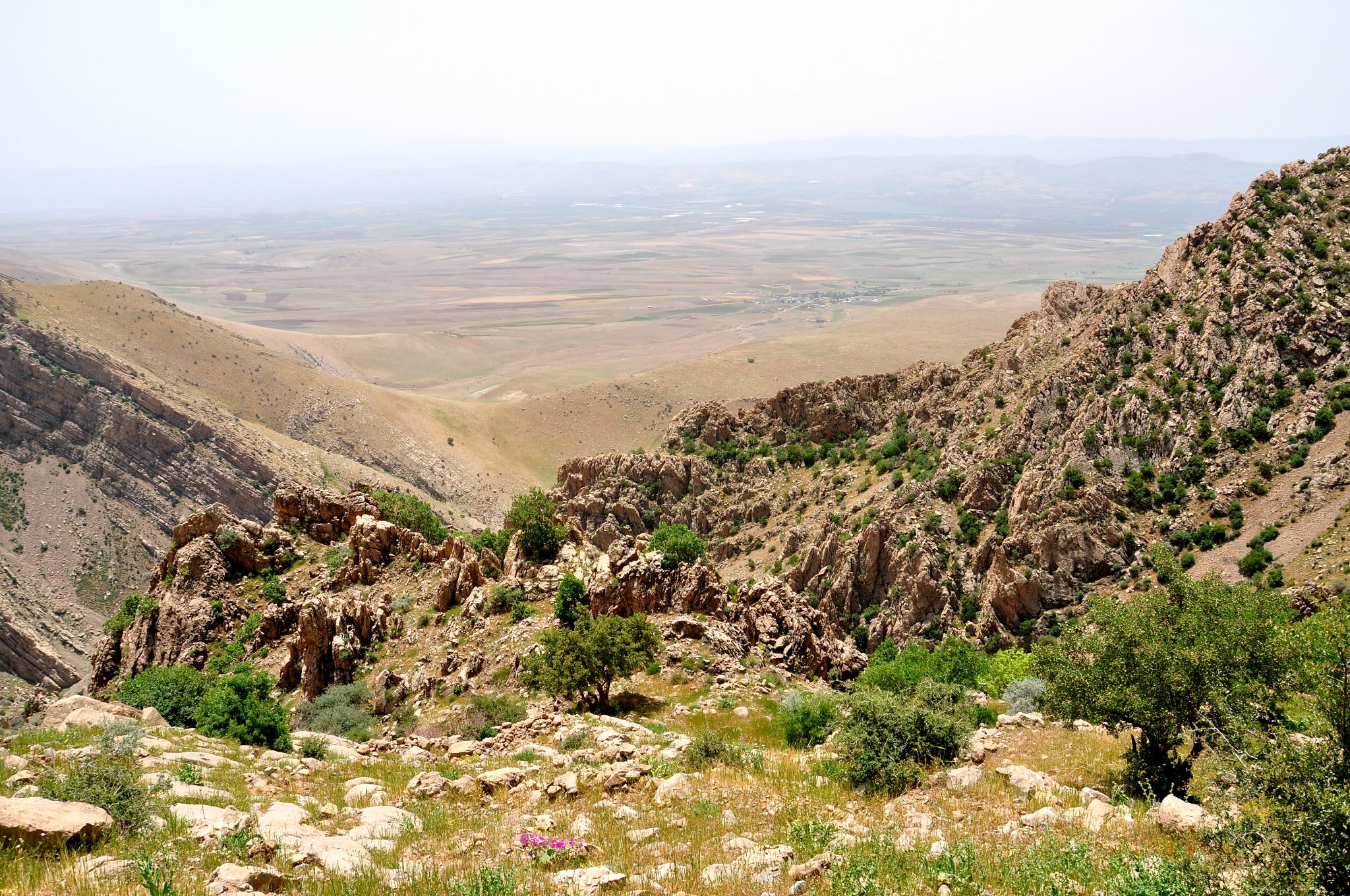
Rock-reliefs of Mountain Merquli, Rabana and their near by settlements, Iraqi Kurdistan.
When you enter the main hall of the Sulaymaniyah Museum of Iraqi Kurdistan, you will encounter two large replicas of the rock-reliefs from the Mountains Merquli and Rabana. I was interested to know how to reach the originals and asked one of the Museum’s employees about it. He said they lie on two mountains outside…
-
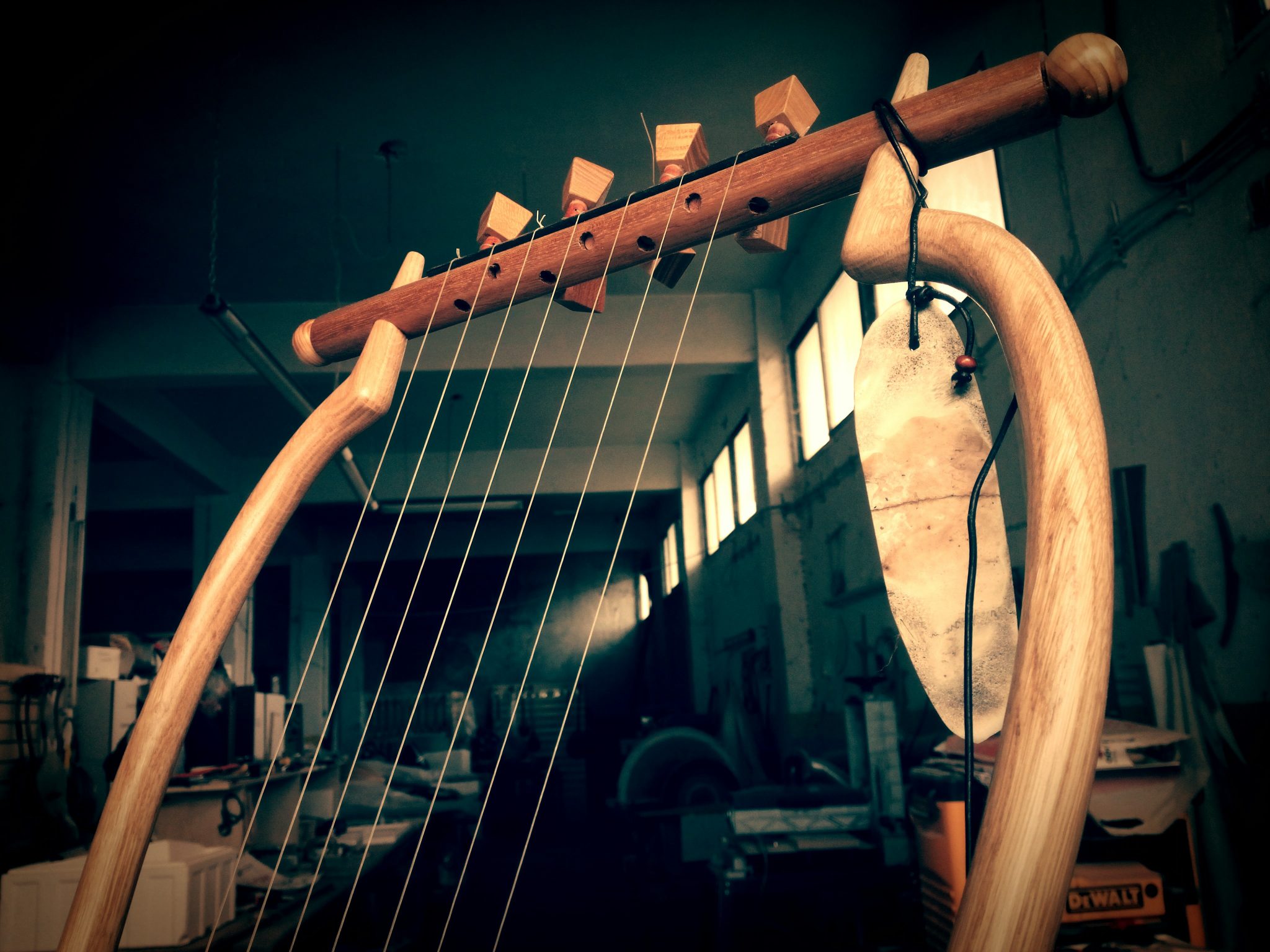
Luthieros Music Instruments: Creators of the Lyre 2.0 Project
For the ancient Greeks, music was viewed, quite literally, as a gift from the gods. It was an integral part of life weaving its way into education, athletic and military activities, and events such as weddings and funerals. The term music in ancient Greece also covers dance, lyrics, and the performance of poetry. The ancient Greeks used…