All posts filed under: Uncategorized

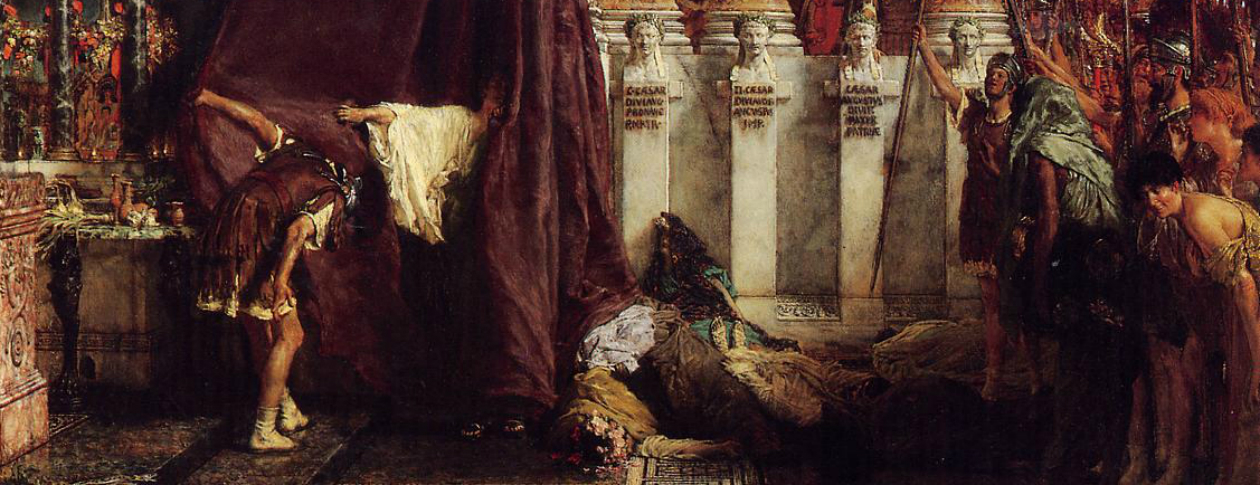
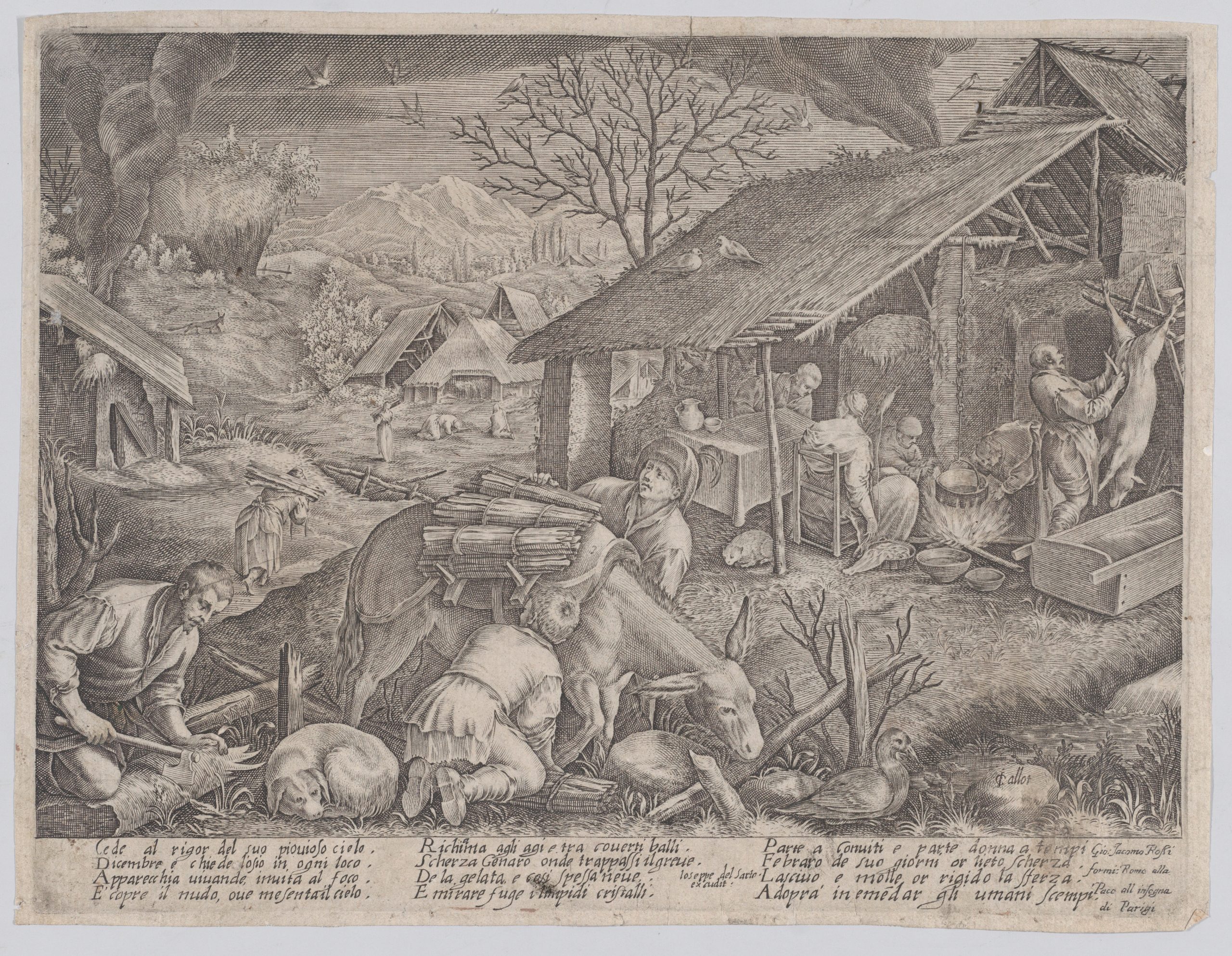
Jacques Callot, L'Hiver (Winter), ca. 1610, Metropolitan Museum of Art. Public Domain.

Winter as a Human Challenge

Content written by the Educators Council team, originally published as the December 2025 Educators Newsletter. Image credits: Jacques Callot, L’Hiver (Winter), ca. 1610, Metropolitan Museum of Art. Public Domain. For most of human history, winter was the season that shaped communities more than any other. Cold, darkness, food scarcity and isolation meant that survival depended not on individual strength but on how well people worked together. Across Europe,  including Britain, winter prompted shared labour, shared resources, and shared rituals designed to lift spirits and keep households connected. Many of the traditions we now associate with Christmas, New Year, and the “festive season” began simply as collective strategies to endure winter: exchanging small gifts, singing together, sharing food, blessing orchards, and supporting neighbours who were struggling. Far from being purely celebratory, these traditions were born from a time when cooperation was essential for survival. For teachers, winter customs offer a rich way into discussing community resilience, social responsibility, and seasonal rhythms of the past. They show students that behind today’s festivities lies a deep history of people …


Teaching Memory

Content written by the Educators Council team, originally published as the November 2025 Educators Newsletter. For many, November invites reflection—not only on those who have died or survived, but on how we remember them. This month offers an opportunity to explore the emotional, cultural, and social dimensions of loss, and how individuals and communities commemorate sacrifice, survival, and personal grief. National mourning serves as a powerful, unifying ritual. But behind the ceremonies are diverse experiences of remembrance. This month’s newsletter focuses on social histories: how people mourn, how memory is shaped, and how pupils can engage with remembrance as a dynamic, human process. Through these lenses, we invite reflection on how histories of commemoration influence shared understandings of loss and resilience. For every topic, we will provide practical resources that help educators approach this topic in a clear and visual way with students, helping them bring awareness and sensitivity to different cultures. How does Veterans Day foster community spirit in the United States? Historiography since the 1960s has become more considerate of social history. As …

Students at computers with screens that include a representation of a retinal scanner with pixelation and binary data overlays and a brightly coloured datawave heatmap at the top.

AI in Education: Promise and Peril

Content written by the Educators Council team, originally published as the October 2025 Educators Newsletter. Image credits: Kathryn Conrad / https://betterimagesofai.org / https://creativecommons.org/licenses/by/4.0/ Artificial Intelligence is rapidly becoming part of classrooms and students’ daily lives. While it promises new ways to learn, research, and engage, experts are increasingly warning about its dangers, particularly for young people. At our recent Educators’ Council meeting (August 27), members shared how students are already struggling with long texts and turning to AI for shorter, easier summaries. As one council member put it, “We are preparing a generation of visual learners, but they must still learn to read deeply and evaluate critically.” This shift is only part of the story. Behind the convenience of AI lies a complex set of risks, from accuracy problems to serious threats to mental health. The Dark Side of AI Engagement AI chatbots are not neutral. They are designed to keep users engaged, using human-like responses, emotional cues, and conversational tricks. This can encourage dependence, distraction, and in some cases, harm. A few examples highlighted in the media were:  …

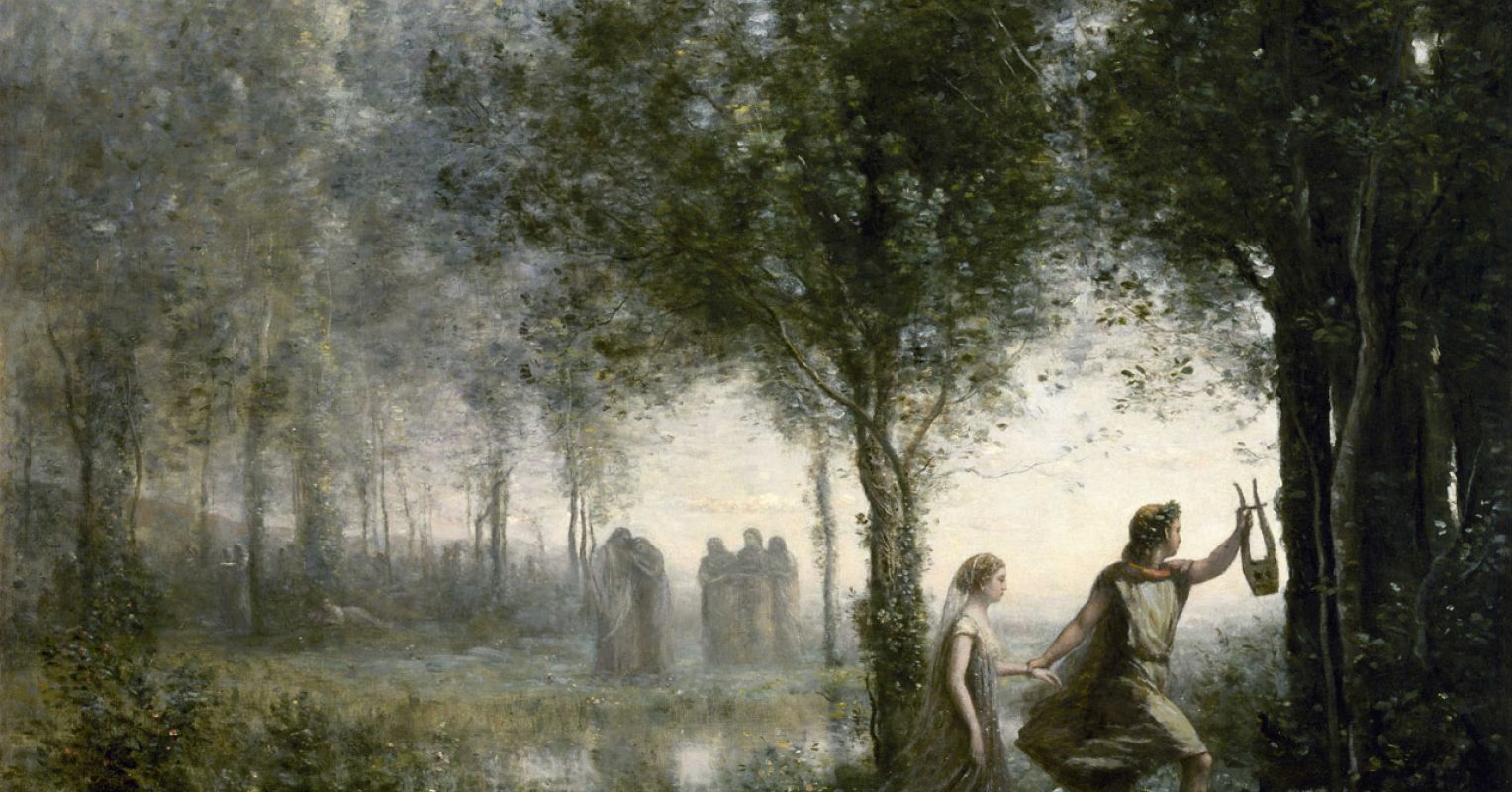
Eurydice – Poem by Emily Roy

This poem titled Eurydice by Emily Roy was the winner of the Open Junior Section of the 2023 New Zealand Poetry Society International Competition, which World History Encyclopedia was proud to sponsor this year. Emily Roy is a 15 year-old student attending Columba College, Dunedin, New Zealand. She explains the inspiration behind her award-winning poem: “For me, Eurydice was inspired by the overlap between both modern and ancient women. Whether it’s 3000 years ago or yesterday, our stories and tragedies often revolve around the man and how it affects him. I wanted to focus on the tragedy of Orpheus and Eurydice while focusing on the betrayal Eurydice would’ve felt rather than the pain of Orpheus for his own mistake. I’m also an enormous Plath enthusiast, so echoes of her may be present if you look for them.” The World History Encyclopedia team congratulates Emily on her well-deserved win! Eurydice Walk like you have to.Life entrusted in the headthat wishes to turn.Don’t look at me.For when you look at meyou merely look through;You watch me slip …

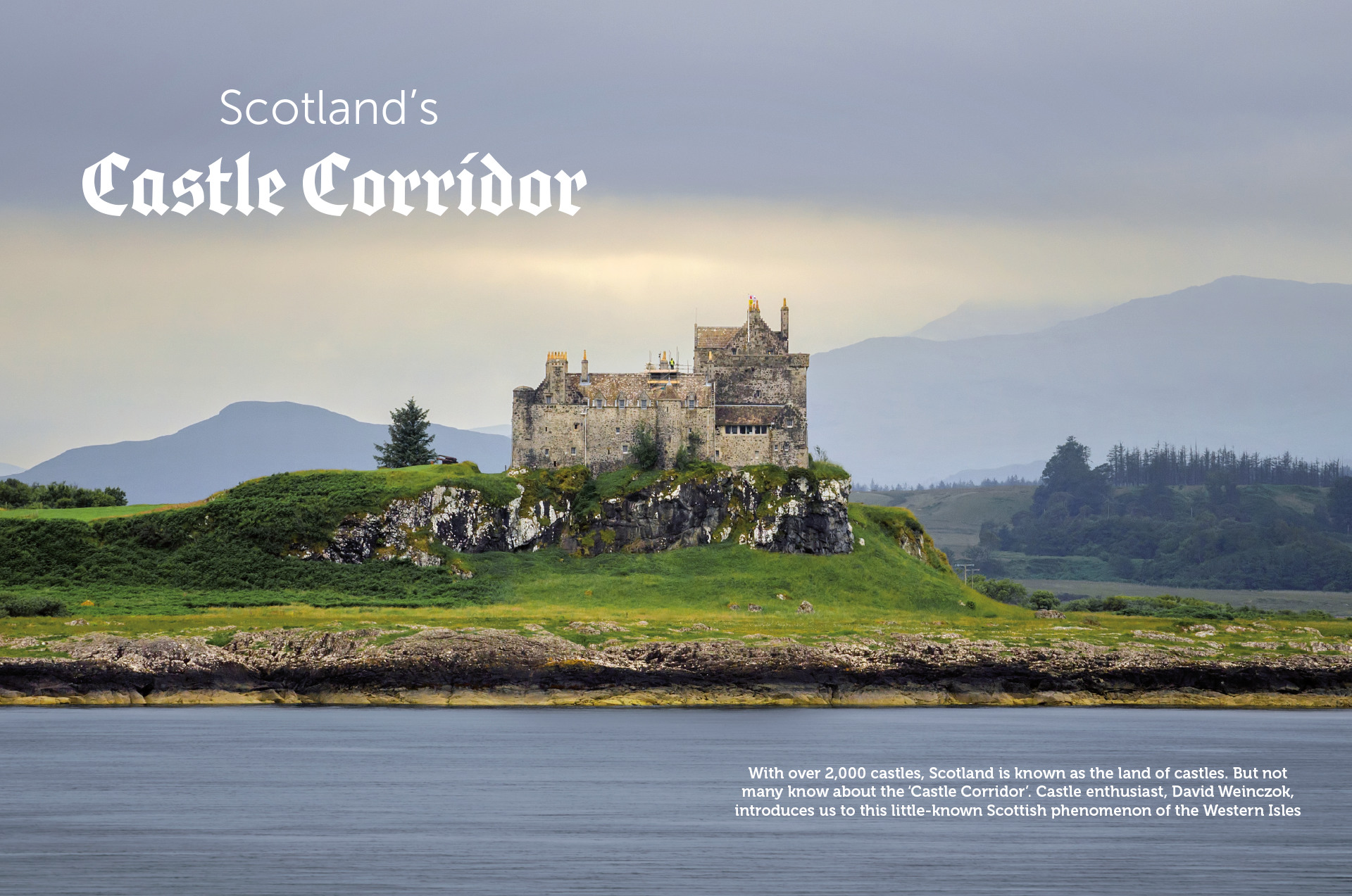
Timeless Travels Magazine Review

Timeless Travels magazine is a cutting-edge publication combining narratives of personal travel with in-depth history. It provides a reader with travelogues, historical narratives, reviews of museum exhibits and tours, and the latest news on archaeological excavations and their significance. The magazine is a must-read for anyone interested in history, travel, or the world at-large and is available in stunning print editions or online in easy-to-use formats.

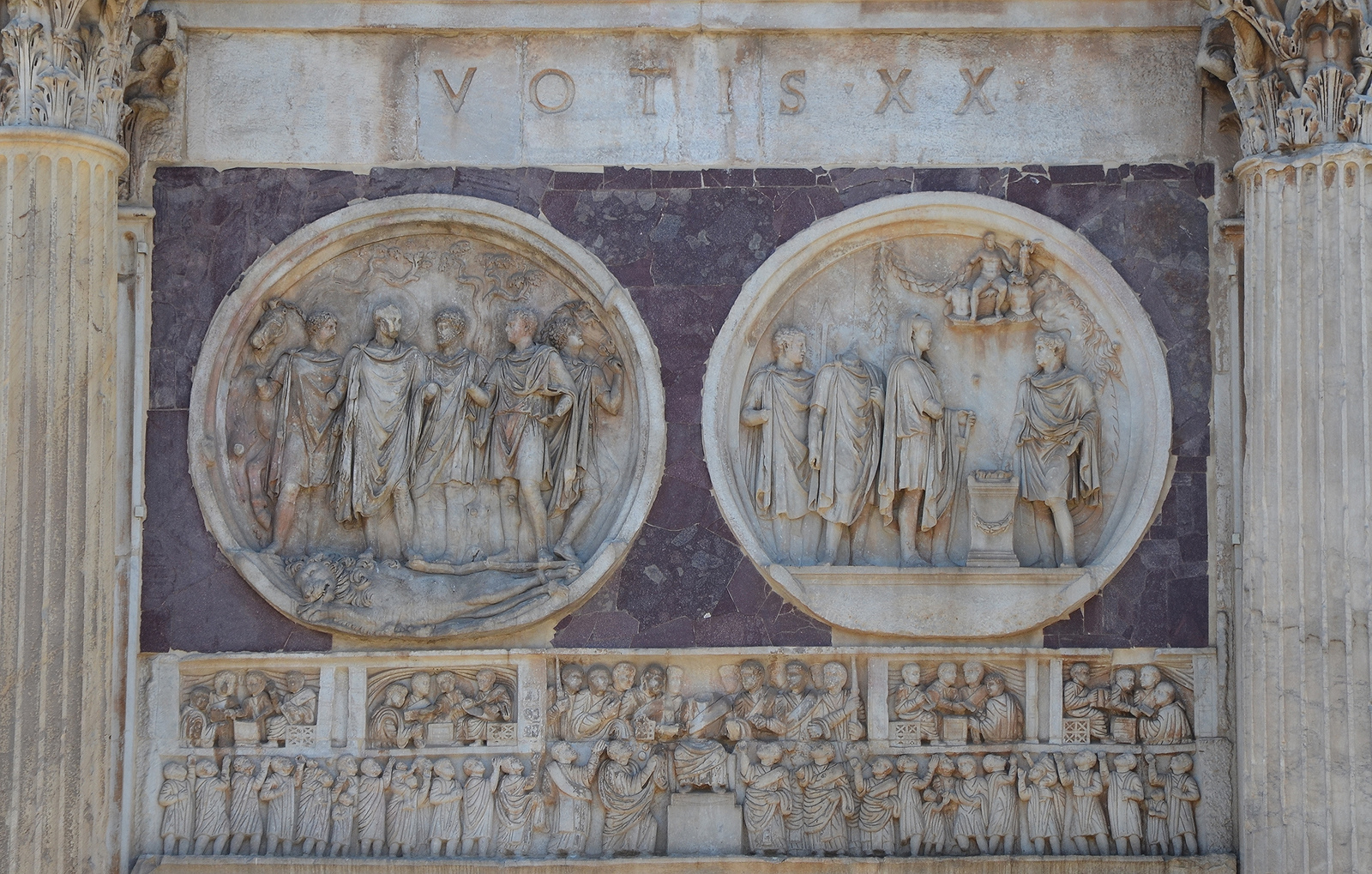
The Hadrianic Tondi on the Arch of Constantine

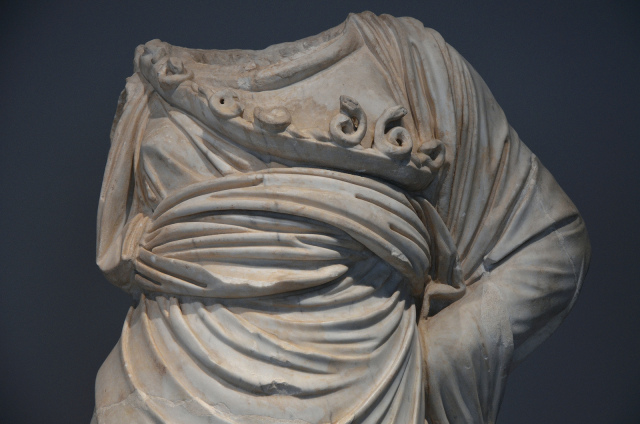
The Arch of Constantine, dedicated on 25 July 315 CE, stands in Rome between the Colosseum and the Palatine Hill, at what was once the beginning of the Via Triumphalis. As described on its attic inscription, it commemorates Constantine’s victory at the Battle of the Milvian Bridge on 28 October 312 CE over the tyrant Maxentius who had ruled Rome since 306 CE. It is one of the largest surviving Roman triumphal arches.

Festivals

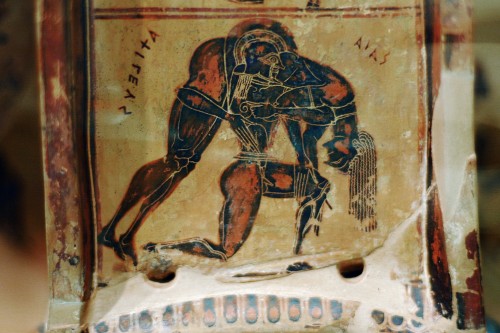
Festivals in Ancient Greece and Rome: 9 Fascinating Facts

Festivals in ancient Greece and Rome were important periods of time during which people performed “activities that are most often thought of as communications with the superhuman world.” Marked by a variety of unique cultural rituals and traditions, festival days stood in stark contrast to ordinary life in ancient Greece and Rome. Processions, sacrifices, athletic events, and musical performances were just the start of some of the interesting highlights. The ways in which the ancient people chose to express themselves on these special calendar days is fascinating. In examining both its contrasts and similarities to today, studying ancient culture can be seen as the study of our own humanity. To demonstrate some of the unique aspects of culture in ancient Greece and Rome, we compiled a list of these 9 facts about some festivals in ancient Greece and Rome.

Object in Focus: Antonine Wall

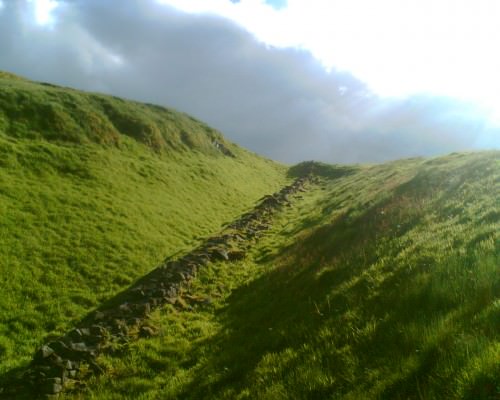
In an effort to share more of our favourite ancient objects from around the world, each month Ancient History Encyclopedia staff are going to take a closer look at some really amazing objects or buildings. Today’s Object in Focus is the Antonine Wall.