Humanising the Bad Guys in History
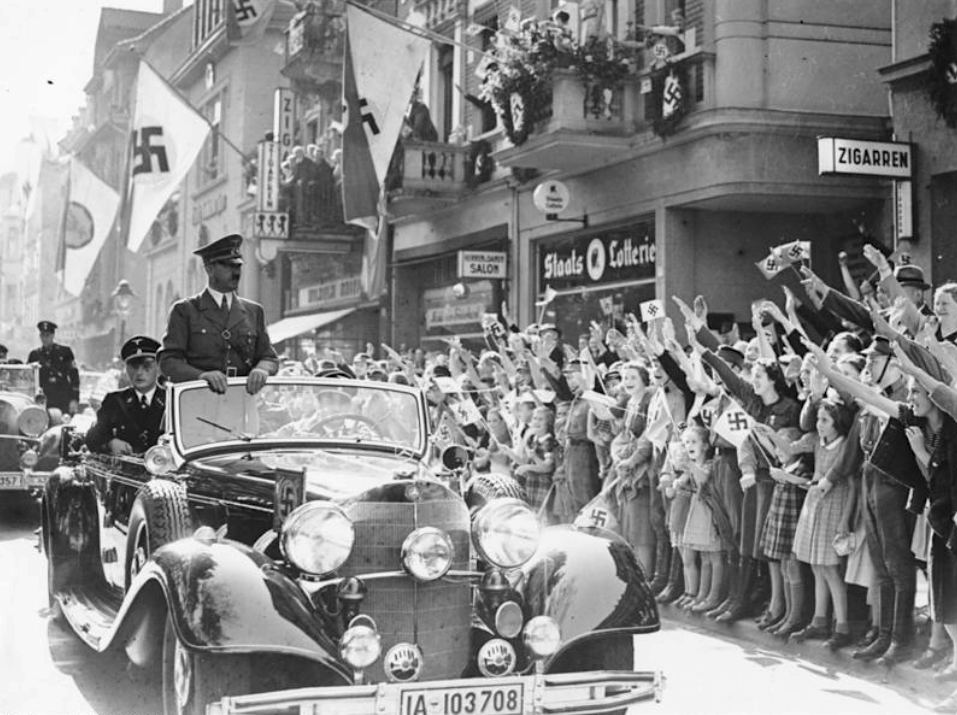
Recently I took part in a conference on history education where a team of researchers presented a new educational AI tool that is best described as “Chat with a historical Nazi.” The tool is based on a database of real historical letters written by Germans in the 1930s explaining why they joined the Nazi party, as well as background information on these people and their personal context. In essence, this is a tool that allows users to query the reasons for joining the Nazi party without having to read through hundreds of letters. Most members of the audience were shocked, though. There are legitimate concerns about using AI to interpret historical primary source data, but this was not the cause of consternation. Especially the Germans and Austrians of the group were worried that such a tool could be used to radicalise teenagers (which is why the tool will only be made available in a supervised school context) and they worried that it might send the wrong message to students. The main concern was, and I …